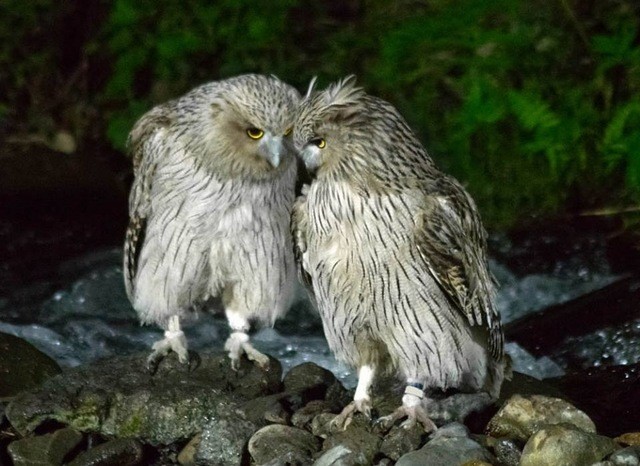
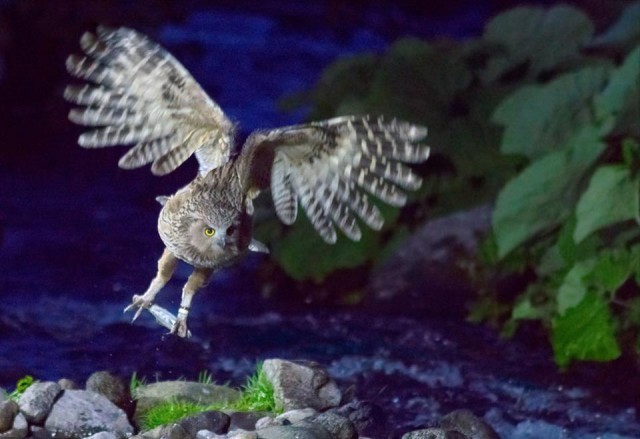
Doto area (East part of Hokkaido) is known for abundant with nature in Hokkaido. So, there is higher chance of meeting a variety of wild animals.
Hokkaido is a wild animal paradise. Even for Hokkaido, the Doto eastern region is especially lush with nature, with a high possibility of meeting a variety of wild animals.
If you pay close attention, you can also find many wild animals while driving.
Ezo red foxes, Hokkaido sika deer, and raccoon dogs (tanuki) are particularly common, so the driver should be cautious of animals suddenly dashing out!
Here we will introduce nine animal species from amongst the wild animals of Hokkaido.
1. Brown Bear
Brown bears often encounter cars along roadways in the deep mountains, but they also frequently appear in areas where people live.
Tourists tend to approach brown bears when they find them; however, they are extremely dangerous and you absolutely must not approach them.
If you do encounter one, move away from them. Do not raise your voice or run. Just slowly increase your distance.
Running may spark the bear’s natural instincts to chase, so it is extremely dangerous.
Brown bears are aggressive, but there are tours where you can safely observe them.
The “Bear Watching Course” of the Shiretoko Peninsula Utoro Cruise is recommended.
Image: Gojiraiwa Sightseeing
The observation rate on the “Bear Watching Course” in 2015 was 96.4%.
You can watch wild bears from the sea at this high observation rate.
Image: Goziraiwa Sightseeing
Other spots where you can see bears are the “Noribetsu Bear Park” and “Showa-Shinzan Bear Farm.”
Both are rare bear-focused parks in Japan.
It may be a good choice for those who cannot go as far as the Shiretoko Peninsula. You can go to bear viewing during your trip in Noboribetsu.
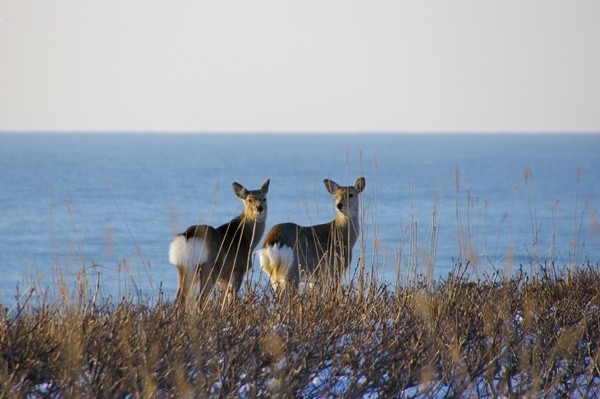
2. Hokkaido Sika Deer
Sika deer frequently appear all over Hokkaido.
Recent increase of Yezo Deer causes various injures by them. That’s why people started to eat deer meat.
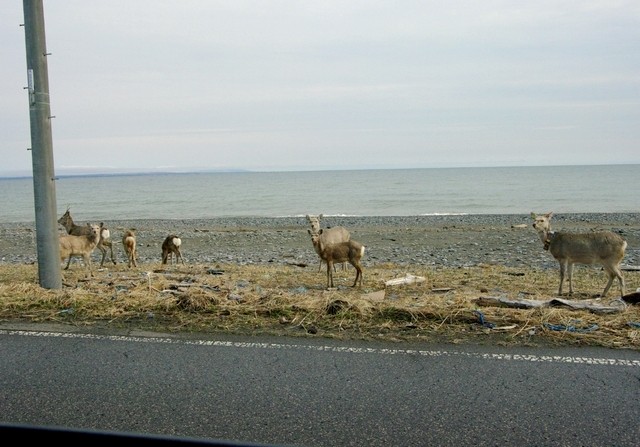
People often encounter wild deer while driving in mountains and forests.
At times they are startled by cars and jump out, causing accidents. I, myself have twice almost crashed into a deer.
(Deer encountered in the Notsuke Peninsula)
When driving in Hokkaido, make absolutely sure to pay close attention and drive carefully.
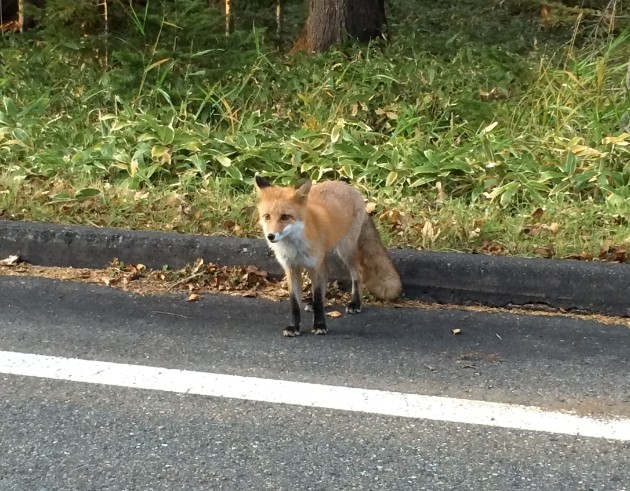
Like deer, foxes often dash into the road in Hokkaido, so it is possible to see them even on the outskirts of Sapporo.
Fox sightings are particularly common when driving through natural or mountainous areas.
Since they often dash into the road just as deer do, foxes also often get hit by cars.
Ezo red foxes have fluffy and cute winter coats, but if you touch them you could be infected with the echinococcosis parasite, so do not touch them!
If you missed seeing wild foxes but absolutely wanted to see them, you might try visiting the “Ezo Red Fox Farm.”
Foxes in the farm freely roam over vast grounds where you can watch them at your leisure .
4. Red-Crowned Crane
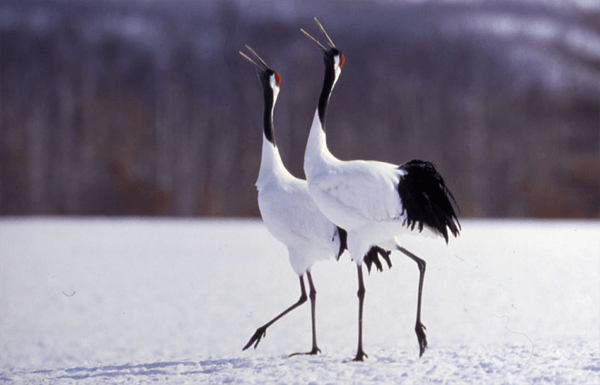
Red-crowned cranes only breed in Japan and are a precious nationally-protected species.
At first glance they do not seem very large. However, they’re the largest bird in Japan at 2.4m(7.9ft) when they spread the wings.
In kanji, red-crowned crane (“tanchou”) is written “丹頂.” The 丹 means “red” and the 頂 means “top of the head.” It is said this is where the bird’s name comes from.
Red-crowned cranes live in Hokkaido year-round.
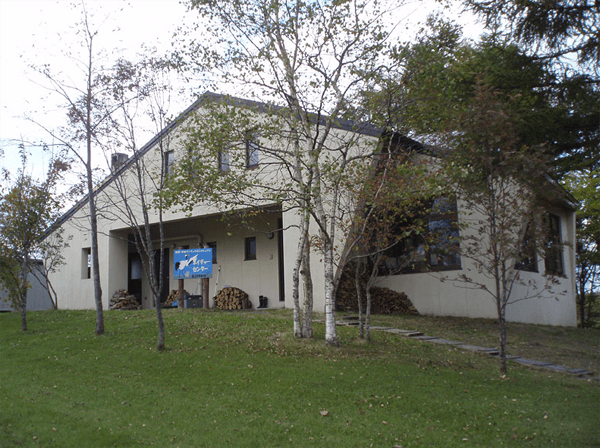
Their most famous habitat in Japan is the Kushiro Marsh region. In Tsurui Village, Akan District, the “Tsurui Ito Tancho Sanctuary” has a feeding area and nature center.
In the feeding area, the birds are fed when food is scarce between November and March. You can view the cranes up close as they gather for the food.
The “Washi no Yado” guest house is a famous location for viewing these owls.
The guest house serves a protective and informative function, feeding the owls, setting up non-disruptive lighting, and offering “viewing protection.”
It was originally established to offer lodging services, but recently added the “Fish Owl Observatory” for tourists. Visitors can view and photograph owls without having to stay.
The guest house operates by reservations (limited staff), so you must call and confirm ahead of time.
6. Orca
The Shiretoko Peninsula has been registered as a UNESCO World Heritage Site.
It is filled with untouched nature and bountiful seas.
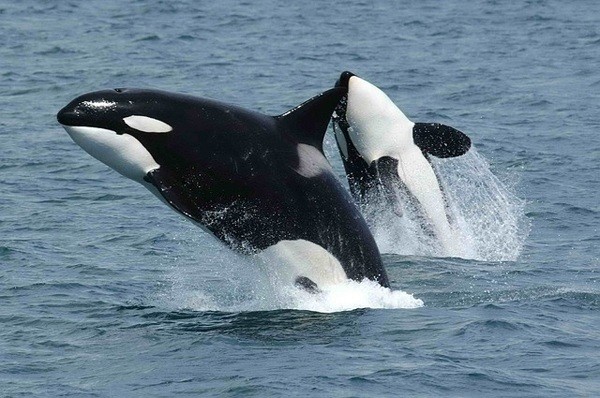
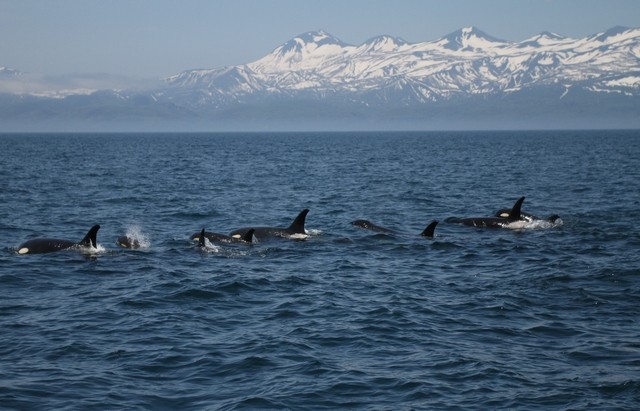
In the Nemuro Strait of Shiretoko and the Rausu open sea, you can encounter orcas, dolphins, and sperm whales.
The cruise boat for viewing orcas up close is recommended.
Orcas are brimming with curiosity, and if you’re lucky they may come right up to the ship!
May through July is the season with the highest chance of viewing orcas. You should come visit Shiretoko at this time if you really want to see orcas.
Even in summer, Shiretoko temperatures do not rise above 20℃ (68°F), and you feel the cold more strongly in the open sea.
Please enjoy orca and dolphin watching with full preparation for the cold.
※Image: Shiretoko Nature Cruise
7. Eurasian Red Squirrel
Squirrels in Japan are imagined to be small, but the Eurasian red squirrel has a body length of 25cm and tail length of 20cm.
You can find them if you pay close attention in the Hokkaido forest, but they may also suddenly appear while you are walking in the woods.
One popular place where you have a high chance of meeting them is the Momo Cafe, which is trending on Twitter.
While the cafe is baking cookies, the wild squirrels adorably come and knock on the glass begging, “Cookie please!”
This café is so small, so they might not have space when it is crowded. You should be careful about it.
Lake Tofutsu in Abashiri City stretches out along the Doto Sea of Okhotsk coast.It is also a wetland that has been registered in the Ramsar Convention.
The Tofutsu Lake region is a stopover point for migratory birds, so many different wild birds visit there.
Swans visit between October and April.
The “Tofutsu-ko Waterfowl and Wetland Center” has exhibits on Tofutsu Lake area nature, history, and culture. You can enjoy bird watching from inside the facility.
9. Steller’s Sea Eagle & White-Tailed Eagle
Steller’s sea eagles and white-tailed eagles are nationally-protected species as well as endangered species.
These birds live in the northern Eurasian peninsula and migrate alongside the Sea of Okhotsk and Nemuro Strait between around January and April.
In particular, you can see many Steller’s sea eagles and white-tailed eagles when they come seeking fish amongst Rausu, Nemuro Strait coast fishermen in winter. For that reason, many foreign and domestic photographers and tourists visit seeking those magnificent figures.
If you want to fully enjoy eagle-watching, the sightseeing cruise boat that departs from the Rausu harbor is recommended.
You can see them dancing over the surface of the sea, or resting their wings on ice floes in the colder season. They also gather around breakwaters.
※Hokkaido Labo Editorial Dept. Photo
The best way to distinguish Steller’s sea eagles from white-tailed eagles is the beak.
Steller’s sea eagles have bright orange-yellow bills, whereas white-tailed eagles have paler beak.
Also, Steller’s sea eagles have overall white and black coloration, while white-tailed eagles are greyish.
All nine of these animals are fascinating! Did you find your favorite?
You will encounter wild animals all over Hokkaido, but please respect the following rules.
・Do not feed them. (Animals that grow accustomed to people are more likely to be hit by cars.)
・Do not touch them. (Some animals harbor bacteria and viruses.)
・Do not park your car in dangerous places (even if you encounter an animal while driving).
・Do not take flash photographs (especially with nocturnal animals).
・Participate in highly credible guide tours and diligently follow the guide instructions.
GUAZUVIRA
http://www.buscaespecies.com/especies/guazuvira/http://www.buscaespecies.com/especies/guazuvira/ El Guazuvirá es un ciervo que habita en bosques nativos, aunque ocasionalmente se lo encuentra en plantaciones forestales donde también se refugia.
Mide poco más de 1,5 m y pesa unos 30 kg. Es una especie con actividad nocturna y diurna, aunque en sitios con población humana es más bien nocturno, para evitar que lo cacen.
Viven solos o en pareja. Como las mujeres, las madres Guazuvirá tienen una gestación de 9 meses, y una sola cría por vez. Los machos tienen astas aunque no las cambian todos los años, como sí sucede con otros ciervos. El macho también posee una glándula cerca del ojo que al frotarla contra los árboles emite una sustancia olorosa que le sirve para marcar el territorio.
La caza y la deforestación han disminuido mucho su población.
Este texto ha sido tomado/modificado de: http://es.wikipedia.org/wiki/Mazama_gouazoubira
Segundo año, Mtra Susana. Estos son mis amigos. LOBITO, ZORRITO, Y GUAZUVIRÁ Sé hacer muy buenas cuevas. Cavo una cueva corta como refugio y preotección. Cavo otra más larga y calentita para habitarla durante un tiempo. Me gusta andar de día y de noche. Por eso me dicen andariega. SHE IS AN ARMADILLO SHE IS SHORT. SHE IS PURPLE. SHE HAS GOT A BIG HEAD SHE HAS GOT BIG EYES SHE HAS GOT LONG EARS SHE HAS GOT A SMALL NOSE SHE HAS GOT A BIG BODY. SHE HASGOT 4 LEGS SHE HAS GOT A TAIL.
“Imagine
a classroom where teachers are supportive, students are inspired, and
children care about one another and are working together to solve
challenging problems.
That’s
social and emotional learning (SEL) in action” (The Collaborative
for Academic, Social, and Emotional Learning (CASEL), 2017).
The
good news is that the winds of change are blowing at schools and
academic settings all over the world. Why? Because it is our
responsibility as facilitators to help our learners feel relaxed,
recognized and motivated to have the most optimal performance
possible in the learning process.
Creating
an atmosphere that helps to decrease the natural stressful feelings
that many students experience while learning is certainly key to meet
that purpose.
Scientists
and researchers (Lantieri & Goleman, 2008) have shown how
teaching 2 Social, and Emotional Learning (CASEL), 2017).
This
type of environment is vital to negotiate, accommodate and construct
meaning. In concert with this proof, this booklet aims to equip
teachers and learners with the social-emotional tools to interact
effectively with one another and with their readers not only in the
classroom and at school but also at home and in the school district.
The
possibility that readers offer to understand emotions and to learn
how to deal with them through the texts will favour learners’
developmental processes of change, self-generation and construction.
When
we tap on our emotions and positive social relationships, the
material at hand will always be more memorable.
“We
are neurobiologically wired, and to learn anything, our minds must be
focused and our emotions need to “feel” in balance” (Desautels,
2016).
2
Readers for younger learners (suggested ages 6-8)
Introduction
The following readers have been chosen to explore and work with the
concepts of friendship, collaboration and heightened emotions.
• Callum
the Caterpillar (Jane Cadwallader) is a clever pick for beginner
readers.
Through
playful and dynamic artwork, this story explores Callum’s
umbrella of heightened emotions on his way to becoming a beautiful
butterfly with the help of a fairy.
• Mole
at the Seaside (Julie Davies) introduces young learners to reading
in italics through a story with delicious artwork. This reader is
rich in folding themes of generosity, cooperation, friendship and
different emotions by the hand of a Mole who is presented with a
pair of glasses which help him open his eyes to the world.
• Home
(DreamWorks) is a classic which children love while engaging in
Oh’s big-hearted life. This hip, colourful story introduces
concepts such as cooperation, friendship and varied feelings. Oh is
a Boov which makes friends with a girl called
Tip
3 when the Boov come to Earth. Oh and Tip tackle challenging
obstacles together thanks to their love for each other, their
compassion and their sensitivity. Before embarking on SEL
activities with any of the readers, it is recommended to pre-teach
the words which depict emotions accurately. The reason for managing
a large bank of words to describe emotions is that it makes it
easier for learners to talk about their feelings, their needs and
their mood (Brackett, 2017)
Callum
the Caterpillar
1.2.1
Pre-reading activities
1.
Name that emotion!
Pre-teach
feelings vocabulary by using pictures, gesture and miming. For this
story, consider the following words:
Calm,
worried, happy, sad, tired, surprised
2.
Listen, run and fill up your heart Stick pictures depicting the
emotions you have pre-taught on one or all of the walls in your
class.
Several
pictures show the same emotion (for example four different happy
faces, four different worried faces, etc.)
Divide
your class into several teams and hand out a big paper/cardboard
heart to each team Call out the emotions one at a time.
The
kids listen and run to the wall to gather the face corresponding to
the emotion you mentioned.
They
should take it to their team’s heart. When all the faces are gone
from the wall, each team sees how full of different feelings their
heart is.
Try
to elicit the emotion words as learners share what they have.
3.
Callum feels…
Introduce
the character by showing the cover and elicit how he feels.
Then
open the story on pages 2, 4, 8, 9, 17 and elicit how he feels one
more time
(2
sad, 4 happy, 8 worried/surprised, 9 happy/calm, 17 tired)
You
may also choose other pages of your liking, the idea is to elicit
the feelings. Matching emotions (optional):
If
you are art / drawing savvy, you may want to hand out pictures
showing Callum experiencing different emotions. Students match the
correct pictures with the emotions words you write on the board.
4.
Arousing curiosity
Tell
your learners “poor Callum!
What’s
his problem? (If necessary give alternatives “his house? His
friends? His family? His food? His house?)”
“What
5 you breath out. You might want to play some peaceful music and
ask your learners to say “I’m calm” several times at the end
until you feel the feeling of being calm has really sunk in.
Draw
a butterfly on the board and elicit or present the word.
Draw
nine lines in a row below the picture and play Hangman, eliciting
letters to spell the word. Introduce caterpillar in the same way.
While
you read Stop at the kitchen scene on page 11.
Tell
the children to count the number of caterpillars in the scene.
Invite
the children to name the foods they can see in the fridge.
After
you read
Play
Pictionary.
Divide
the class into two teams.
Slowly
start to draw a cake on the board and say: What’s this?
Invite
the children to put their hands up to guess.
When
a child guesses correctly, award a point to her/his team.
Then
repeat with drawings of other words from the story
(a
butterfly, a fridge, feet, a tree, cheese).
Using
the worksheets Worksheet 1
1
Look in the fridges and tick (✓) the foods you can see.
Ask
the class to look at the first fridge and elicit the names of the
foods.
Write
apples and cheese on the board and draw a box next to each word.
Ask
Are there any apples in the fridge?
Elicit
the answer yes and tick the box next to apples, then ask Is there
any cheese in the fridge?
Elicit
the answer no and put a cross in the box.
Tell
the children to complete the activity, ticking the foods they see
in each fridge.
2.
Draw the next food in the sequence and write.
Chant
the foods in the first row and ask the children to chant with you.
Hold
up the worksheet, point to the box and ask the children to suggest
the next word in the sequence (apple).
Tell
the children to draw an apple in the box and write the word below.
The children then complete the other sequences
Butterfly
Life Cycle
Butterflies
have four different stages to their life cycle.
Each
stage serves a different purpose and the butterfly looks completely
different.
The
change from stage to stage is called a "metamorphosis".
Materials:
paper,
printer,
scissors.
glue
Craft
Instructions:
Print
out the template pieces -- there's a choice between a large version
and a small version. The completed small version fits on a
single sheet of paper. The large version would be a good
option for a small bulletin board (classroom door).
“Imagine a classroom where teachers are supportive, students are inspired, and children care about one another and are working together to solve challenging problems.
That’s social and emotional learning (SEL) in action” (The Collaborative for Academic, Social, and Emotional Learning (CASEL), 2017).
The good news is that the winds of change are blowing at schools and academic settings all over the world. Why? Because it is our responsibility as facilitators to help our learners feel relaxed, recognized and motivated to have the most optimal performance possible in the learning process.
Creating an atmosphere that helps to decrease the natural stressful feelings that many students experience while learning is certainly key to meet that purpose.
Scientists and researchers (Lantieri & Goleman, 2008) have shown how teaching 2 Social, and Emotional Learning (CASEL), 2017).
This type of environment is vital to negotiate, accommodate and construct meaning. In concert with this proof, this booklet aims to equip teachers and learners with the social-emotional tools to interact effectively with one another and with their readers not only in the classroom and at school but also at home and in the school district.
The possibility that readers offer to understand emotions and to learn how to deal with them through the texts will favour learners’ developmental processes of change, self-generation and construction.
When we tap on our emotions and positive social relationships, the material at hand will always be more memorable.
“We are neurobiologically wired, and to learn anything, our minds must be focused and our emotions need to “feel” in balance” (Desautels, 2016).
2 Readers for younger learners (suggested ages 6-8)
Introduction The following readers have been chosen to explore and work with the concepts of friendship, collaboration and heightened emotions.
• Callum the Caterpillar (Jane Cadwallader) is a clever pick for beginner readers.
Through playful and dynamic artwork, this story explores Callum’s umbrella of heightened emotions on his way to becoming a beautiful butterfly with the help of a fairy.
• Mole at the Seaside (Julie Davies) introduces young learners to reading in italics through a story with delicious artwork. This reader is rich in folding themes of generosity, cooperation, friendship and different emotions by the hand of a Mole who is presented with a pair of glasses which help him open his eyes to the world.
• Home (DreamWorks) is a classic which children love while engaging in Oh’s big-hearted life. This hip, colourful story introduces concepts such as cooperation, friendship and varied feelings. Oh is a Boov which makes friends with a girl called
Tip 3 when the Boov come to Earth. Oh and Tip tackle challenging obstacles together thanks to their love for each other, their compassion and their sensitivity. Before embarking on SEL activities with any of the readers, it is recommended to pre-teach the words which depict emotions accurately. The reason for managing a large bank of words to describe emotions is that it makes it easier for learners to talk about their feelings, their needs and their mood (Brackett, 2017)
Callum the Caterpillar
1.2.1 Pre-reading activities
1. Name that emotion!
Pre-teach feelings vocabulary by using pictures, gesture and miming. For this story, consider the following words:
Calm, worried, happy, sad, tired, surprised
2. Listen, run and fill up your heart Stick pictures depicting the emotions you have pre-taught on one or all of the walls in your class.
Several pictures show the same emotion (for example four different happy faces, four different worried faces, etc.)
Divide your class into several teams and hand out a big paper/cardboard heart to each team Call out the emotions one at a time.
The kids listen and run to the wall to gather the face corresponding to the emotion you mentioned.
They should take it to their team’s heart. When all the faces are gone from the wall, each team sees how full of different feelings their heart is.
Try to elicit the emotion words as learners share what they have.
3. Callum feels…
Introduce the character by showing the cover and elicit how he feels.
Then open the story on pages 2, 4, 8, 9, 17 and elicit how he feels one more time
(2 sad, 4 happy, 8 worried/surprised, 9 happy/calm, 17 tired)
You may also choose other pages of your liking, the idea is to elicit the feelings. Matching emotions (optional):
If you are art / drawing savvy, you may want to hand out pictures showing Callum experiencing different emotions. Students match the correct pictures with the emotions words you write on the board.
4. Arousing curiosity
Tell your learners “poor Callum!
What’s his problem? (If necessary give alternatives “his house? His friends? His family? His food? His house?)”
“What 5 you breath out. You might want to play some peaceful music and ask your learners to say “I’m calm” several times at the end until you feel the feeling of being calm has really sunk in.
Draw a butterfly on the board and elicit or present the word.
Draw nine lines in a row below the picture and play Hangman, eliciting letters to spell the word. Introduce caterpillar in the same way.
While you read Stop at the kitchen scene on page 11.
Tell the children to count the number of caterpillars in the scene.
Invite the children to name the foods they can see in the fridge.
After you read
Play Pictionary.
Divide the class into two teams.
Slowly start to draw a cake on the board and say: What’s this?
Invite the children to put their hands up to guess.
When a child guesses correctly, award a point to her/his team.
Then repeat with drawings of other words from the story
(a butterfly, a fridge, feet, a tree, cheese).
Using the worksheets Worksheet 1
1 Look in the fridges and tick (✓) the foods you can see.
Ask the class to look at the first fridge and elicit the names of the foods.
Write apples and cheese on the board and draw a box next to each word.
Ask Are there any apples in the fridge?
Elicit the answer yes and tick the box next to apples, then ask Is there any cheese in the fridge?
Elicit the answer no and put a cross in the box.
Tell the children to complete the activity, ticking the foods they see in each fridge.
2. Draw the next food in the sequence and write.
Chant the foods in the first row and ask the children to chant with you.
Hold up the worksheet, point to the box and ask the children to suggest the next word in the sequence (apple).
Tell the children to draw an apple in the box and write the word below. The children then complete the other sequences
Butterfly Life Cycle
Butterflies have four different stages to their life cycle.
Each stage serves a different purpose and the butterfly looks completely different.
The change from stage to stage is called a "metamorphosis".
Materials:
paper,
printer,
scissors.
glue
Craft Instructions:
Print out the template pieces -- there's a choice between a large version and a small version. The completed small version fits on a single sheet of paper. The large version would be a good option for a small bulletin board (classroom door).


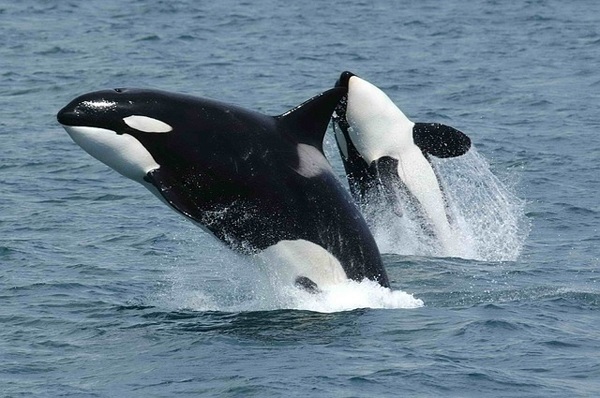
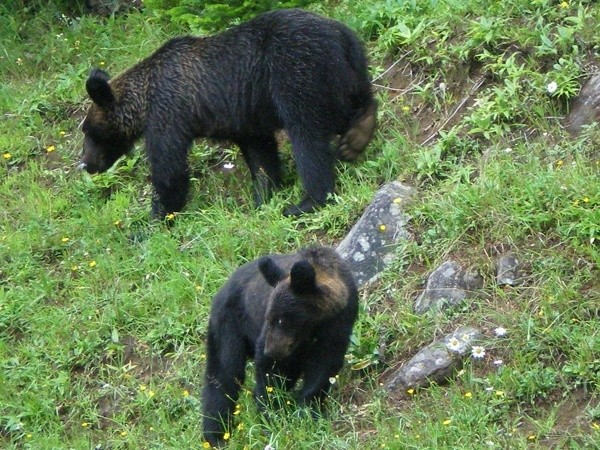
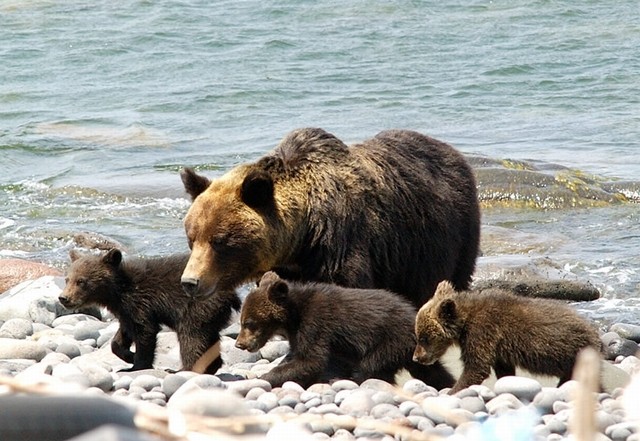 Image: Gojiraiwa Sightseeing
 Image: Goziraiwa Sightseeing
 (Deer encountered in the Notsuke Peninsula)
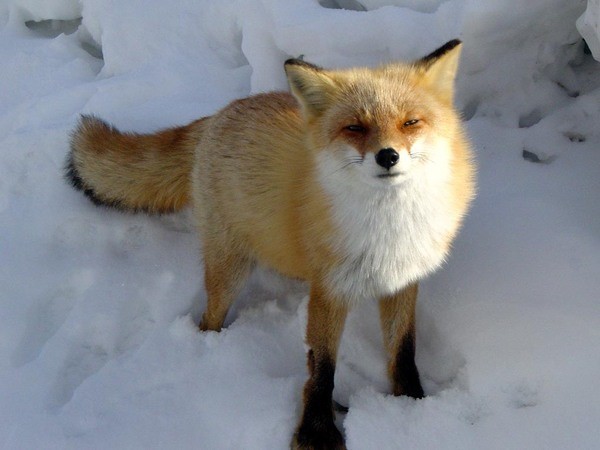 Image: 北海道無料写真素材集 DO PHOTO
 ※Image: Shiretoko Nature Cruise
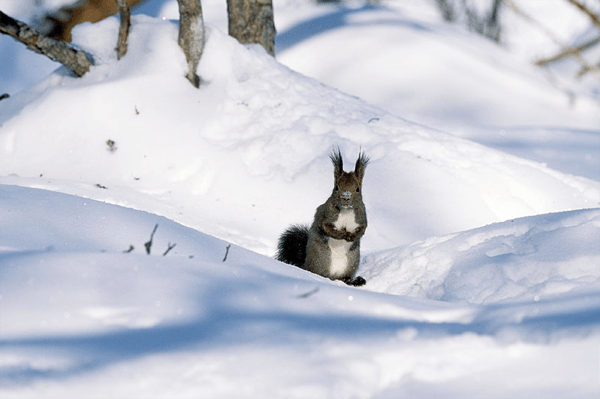
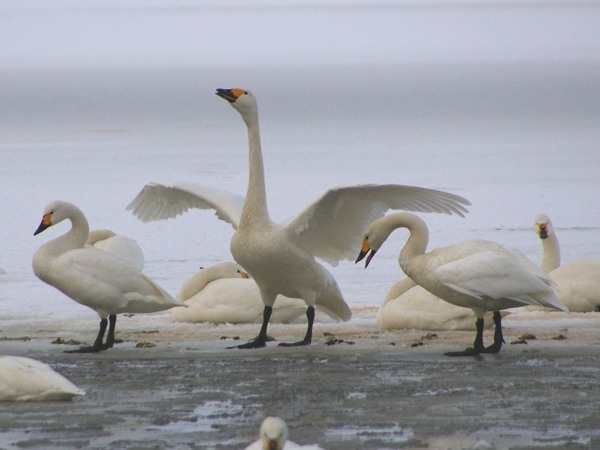
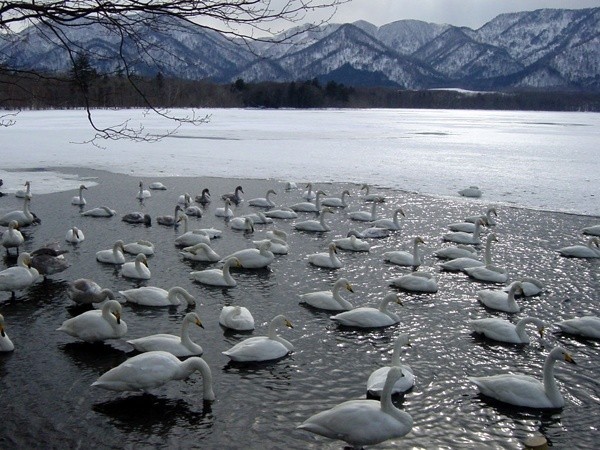 Image: 北海道無料写真素材集 DO PHOTO